
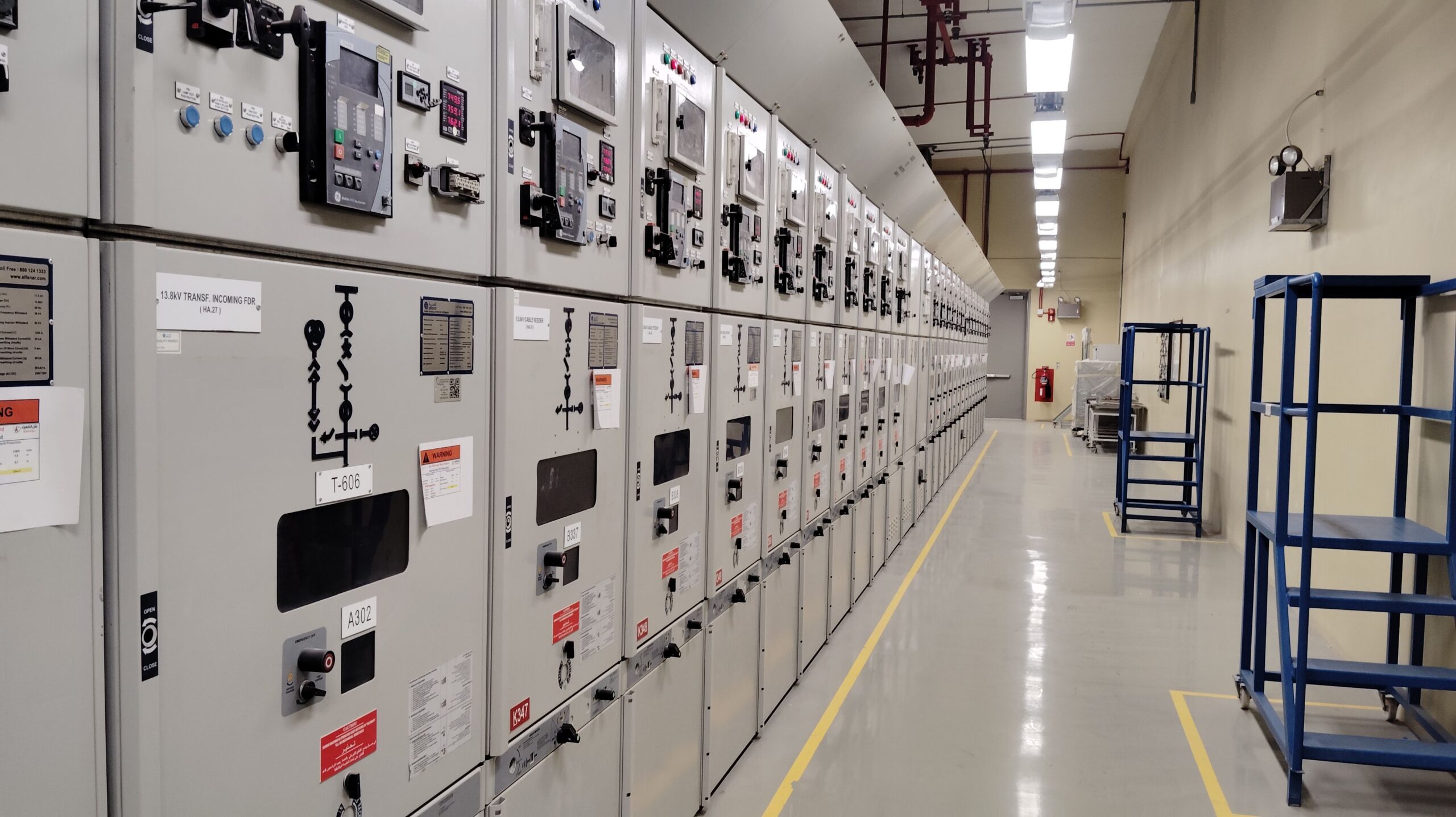
Senate Intelligence Committee Chairman, Tom Cotton, R-Ark., is pressing Treasury Secretary Scott Bessent to use existing tax incentives to encourage companies to invest in securing operational technology, or OT; the hardware and software used to control physical processes across critical infrastructure.
America’s critical infrastructure increasingly runs on a combination of modern networks and decades-old technology, a mismatch that is creating new opportunities for cyberattacks against water systems, transportation networks and other essential services across the country.
Those risks were recently highlighted when a coordinated cyberattack targeted operational technology at more than 30 community water systems in Minnesota. Federal authorities have also warned of malicious actors targeting internet-facing programmable logic controllers, or PLCs, at water utilities across several states, in some cases causing a loss of monitoring and control capabilities.
Cotton argues that the problem is particularly harmful for small utilities and other infrastructure operators that often lack the resources to replace aging equipment or deploy sophisticated cybersecurity protections. Some industrial control technologies date back decades and were designed for isolated environments rather than today’s interconnected networks.
Among Cotton’s proposals is for Bessent to clarify that developing cybersecurity software for industrial control systems can qualify as research under Section 41 of the tax code. Such guidance could make it easier for companies developing tools to detect intrusions and protect industrial systems by taking advantage of existing research incentives.
Cotton is also asking to establish a safe harbor under Section 7701(e) for cybersecurity monitoring agreements with public utilities. The change would clarify that contracts in which providers retain ownership of cybersecurity equipment, while providing monitoring and protection, would be treated as service agreements rather than long-term equipment leases.
Cotton’s push comes as federal cybersecurity officials warn that attacks against OT equipment are producing increasingly tangible consequences. The growing threat underscores the need to use the tax code not only to encourage technological innovation, but also to help modernize the aging systems responsible for keeping essential American infrastructure running.
If your company is investing in OT cybersecurity technologies and uncertain about whether specific expenses qualify for favorable tax treatment, RDIG is here to help.